TL;DR: B2B SaaS positioning that wins deals: pick one ICP, own one specific problem, and prove your solution works with real results. This framework helped companies go from invisible in crowded markets to closing deals against larger competitors.
The Curse of the Blank Stare
You’re at a networking event. Someone asks what your company does. You launch into your explanation, and within 10 seconds you see it - the blank stare. The polite nod. The “oh, that’s interesting” that means they have absolutely no idea why they should care.
I’ve been there. When I first started working with B2B SaaS founders, I’d describe our agency as “helping startups with their go-to-market strategy.” Blank stares everywhere. Then I changed it to: “I help B2B SaaS founders between Pre-Seed and Series A close their first 10 deals.” Suddenly, people either said “that’s exactly what I need” or “I know someone who needs that.”
That’s the difference positioning makes. Not a rebrand. Not a new logo. Just absolute clarity about who you serve and what changes when they work with you.
Positioning Is Not a Tagline
Let me kill a common misconception. Positioning isn’t your homepage headline, your elevator pitch, or your brand “essence.” Those are outputs of positioning. Positioning itself is the strategic decision about how you want your ideal customer to perceive you relative to their alternatives.
It answers five questions. Get these right, and everything else - your website, your sales pitch, your pricing strategy, your content strategy - falls into place:
1. Who is your ideal customer? Not “SMBs” or “enterprises.” Specific. “B2B SaaS companies with 20-100 employees that have a technical founder doing sales and have raised Pre-Seed to Series A funding.”
2. What category do you compete in? This is how your customer makes sense of what you are. If they can’t slot you into a mental category, they won’t remember you.
3. What’s your unique value? Not features - outcomes. The specific, measurable difference you make in your customer’s world.
4. How are you different from alternatives? Not just competitors. What would they do if you didn’t exist? That might be a spreadsheet, a manual process, or hiring a contractor.
5. What proof do you have? Customer results, case studies, data points. Proof turns claims into credibility.
Start with Your Best Customers
The biggest positioning mistake I see is starting with aspiration instead of reality. Founders describe the customer they want instead of analyzing the customers they have.
April Dunford’s “Obviously Awesome” framework nails this. Look at your 3-5 happiest, fastest-closing customers and answer: What do they have in common? What problem were they solving? Why did they choose you? What would they have done without you?
The patterns that emerge from this exercise are your positioning. Not the positioning you wish you had - the positioning that actually resonates with real buyers. Use your discovery calls to continuously validate these patterns.
| Weak Positioning | Strong Positioning |
|---|---|
| We’re an AI-powered analytics platform | We help B2B SaaS companies find the 30% of their pipeline that’s going to close |
| Helping startups with go-to-market strategy | I help B2B SaaS founders between Pre-Seed and Series A close their first 10 deals |
| The best CRM for growing businesses | The CRM built for founder-led sales teams transitioning to a dedicated sales hire |
The “So What?” Test
Every positioning statement must pass this test. When you tell a prospect what you do, their internal response should be “tell me more” not “so what?"
"We’re an AI-powered analytics platform” → So what?
”We help B2B SaaS companies find the 30% of their pipeline that’s going to close, so sales reps stop wasting time on dead deals” → Tell me more.
The difference? Specificity about the customer, the outcome, and the pain being solved. If your positioning could describe 50 other companies, it’s not positioning - it’s description.
Competitive Context Is Your Friend
Many founders avoid mentioning competitors. Bad move. Your prospect is already comparing you to something. If you don’t frame that comparison, they’ll frame it themselves - probably incorrectly.
You don’t need to trash competitors. You need to contextualize yourself. “Unlike [category of alternatives] that require a dedicated data team, we give founders direct access to their pipeline insights in under 5 minutes.” Now the prospect understands exactly where you fit. This is also essential preparation for handling competitive objections during sales conversations.
Positioning Is a Living Document
Review your positioning every quarter. Your market shifts. Your product evolves. Your best customers might change. The companies that win aren’t the ones who nail positioning once - they’re the ones who keep refining it based on what they learn from every sales conversation, every won deal, and especially every lost deal.
Keep a “positioning journal” where you note reactions from prospects. What phrases make them lean in? What descriptions get confused looks? Over time, your positioning sharpens itself through these micro-signals.
Strong positioning is step one of any successful go-to-market strategy. If you’re struggling to articulate what makes your SaaS different, our SaaS positioning work is built for exactly that - let’s talk about it.
Frequently Asked Questions
How do I know if my SaaS positioning is working?
The blank stare test. When you explain what you do, people should say ‘tell me more’ or ‘I know someone who needs that’ - not give you a polite nod and change the subject. If you’re getting blank stares, your positioning isn’t specific enough.
How often should I revisit my positioning?
Every quarter. Your market shifts, your product evolves, and your best customers might change. The companies that win aren’t the ones who nail positioning once - they’re the ones who keep refining it based on every sales conversation, every won deal, every lost deal.
Should I mention competitors in my positioning?
Yes. Your prospect is already comparing you to something. If you don’t frame that comparison, they’ll frame it themselves - usually incorrectly. You don’t need to trash competitors. You just need to contextualize yourself: ‘Unlike tools that require a data team, we give founders direct access in under 5 minutes.’
Want this run on your pipeline?
€500, 90 minutes. Credited against any Build.
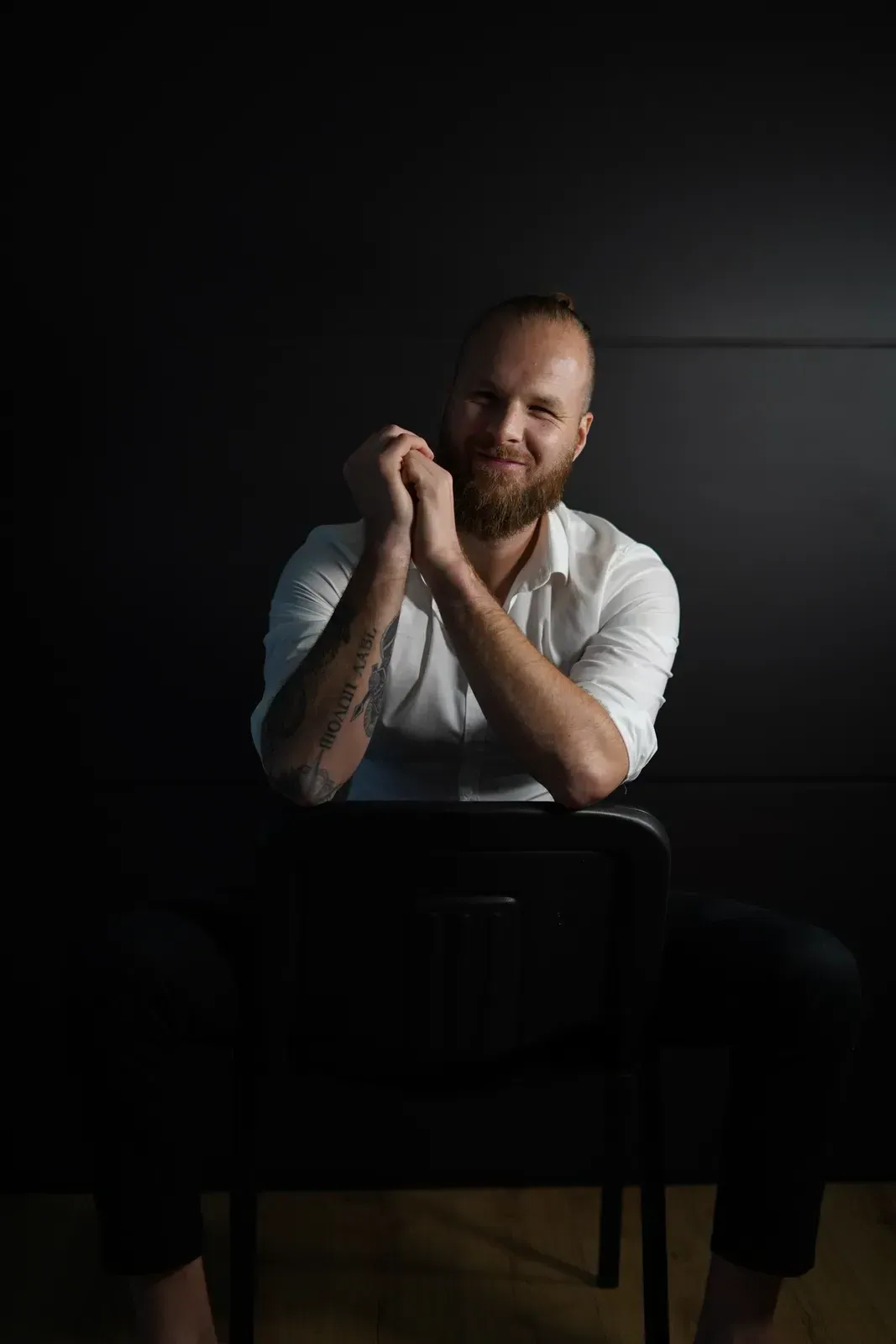
Wouter van de Velde
14 years as a B2B sales operator, 8 of them in B2B SaaS. €4M+ generated in revenue. Now builds sales systems for Dutch and EU SaaS founders who'd rather be shipping product.
LinkedIn →